The context
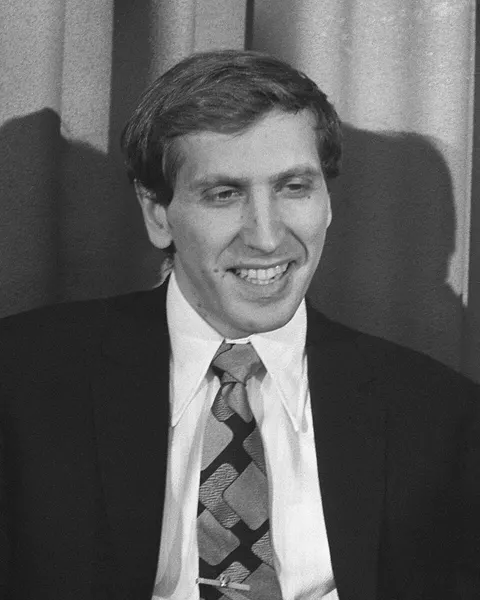
October 1956, at the Marshall Chess Club in New York. Bobby Fischer is only 13. Donald Byrne, 26, is one of the best players in the country: he had won the US Open in 1953.
The game
Byrne gets slightly ahead in development, but his king stays in the center. On move 11, Fischer throws a knight to a4, where it can be taken, an unexpected idea: taking it would open lines toward the white king. Then, on move 17, he lets his own queen be captured.
The finish
17…Be6: Byrne takes the queen, and Fischer sets off a windmill. His bishop and knight deliver check after check and collect a rook, two bishops and a pawn. With that army against the white queen, Fischer mates on move 41, with a rook, two bishops and a knight.
The story behind it
The nickname comes from Hans Kmoch, in Chess Review, who saw it as a masterpiece of combination worthy of the greatest prodigies. Fifteen years later, Fischer became world champion.